A one-day workshop held at my studio, Via Mecenate, Milan.
In English.
Saturday, September 19, 2026 — 10:30 AM - 5:30 PM
Open to all levels of ceramic experience.
During this workshop, we will discuss how to identify clays in nature, the resources available to us for locating clays, the different categorizations of clays based on their geological origin and characteristics, and how and when to process, test, and fire them. We will begin in the morning with a theoretical introduction, followed by various applied tests on materials and clay body preparation, volumetric tests, and tempering with mineral grogs in the afternoon.
Participants are invited to bring small samples of previously collected and dried materials (clays, sands, and rocks) to be tested. Other wild clays and rocks will be available in the studio for the participants.
The tests performed during the workshop will then be fired and can be picked up in the studio or shipped to the participant's address one month after the workshop ends.
Participants will be given an introductory text summarizing the course.
Workshop Topics
What is clay?
Different types of natural clays: the geological journey of clay
How to observe the landscape: resources for locating and identifying clay
Ethics and collection methods
If and how to process clay: methods
How to test clay: plasticity, shrinkage, firing temperature, etc.
Problem minerals and what to do with them
Tempering clay
Volumetric tests: how to combine different materials for bodies, engobes, or glazes
Firing and interpreting results
“Fixing” a clay body
(There are two cats in the studio)
A one-day workshop held at my studio, Via Mecenate, Milan.
In English.
Saturday, September 19, 2026 — 10:30 AM - 5:30 PM
Open to all levels of ceramic experience.
During this workshop, we will discuss how to identify clays in nature, the resources available to us for locating clays, the different categorizations of clays based on their geological origin and characteristics, and how and when to process, test, and fire them. We will begin in the morning with a theoretical introduction, followed by various applied tests on materials and clay body preparation, volumetric tests, and tempering with mineral grogs in the afternoon.
Participants are invited to bring small samples of previously collected and dried materials (clays, sands, and rocks) to be tested. Other wild clays and rocks will be available in the studio for the participants.
The tests performed during the workshop will then be fired and can be picked up in the studio or shipped to the participant's address one month after the workshop ends.
Participants will be given an introductory text summarizing the course.
Workshop Topics
What is clay?
Different types of natural clays: the geological journey of clay
How to observe the landscape: resources for locating and identifying clay
Ethics and collection methods
If and how to process clay: methods
How to test clay: plasticity, shrinkage, firing temperature, etc.
Problem minerals and what to do with them
Tempering clay
Volumetric tests: how to combine different materials for bodies, engobes, or glazes
Firing and interpreting results
“Fixing” a clay body
(There are two cats in the studio)
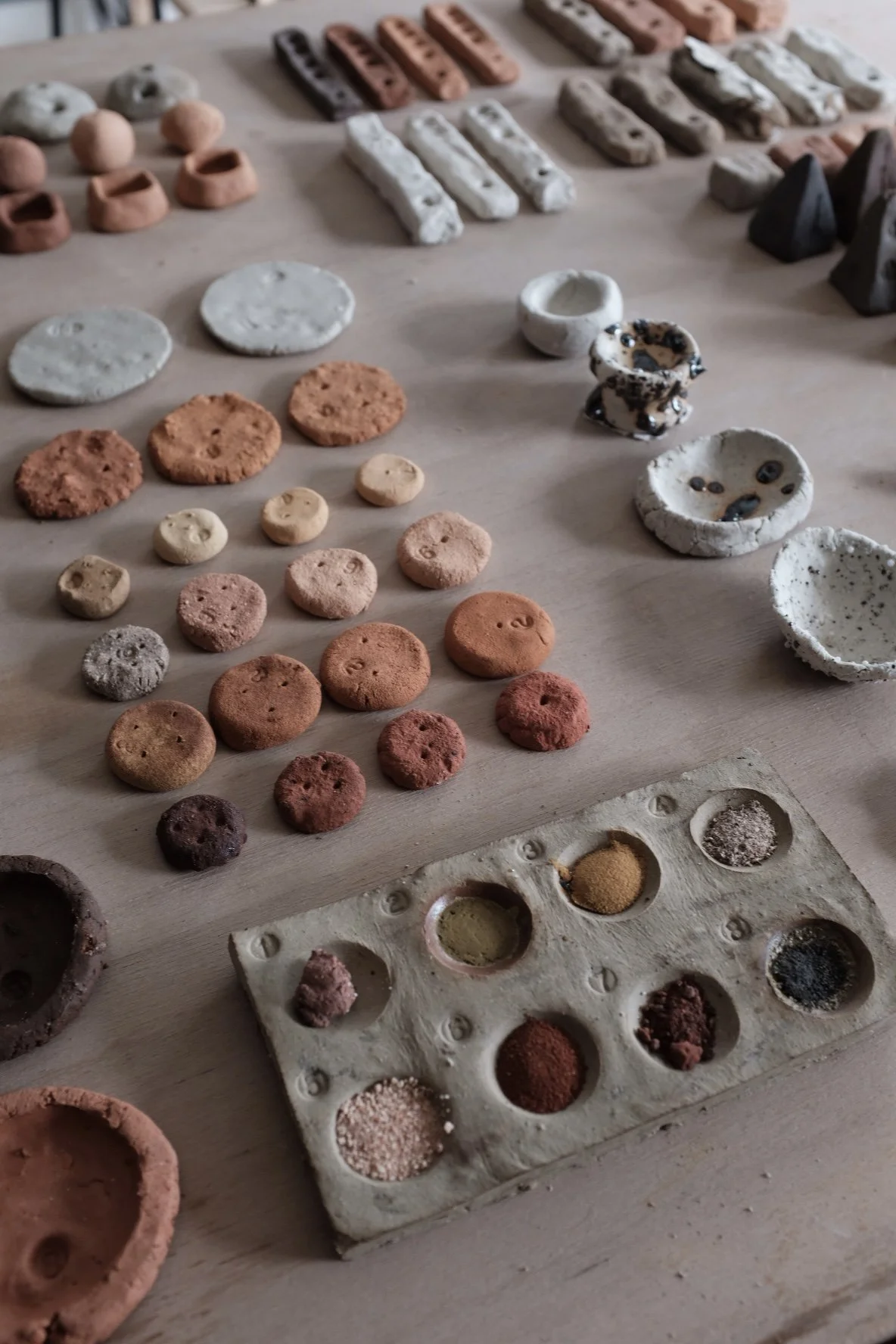 Image 1 of 23
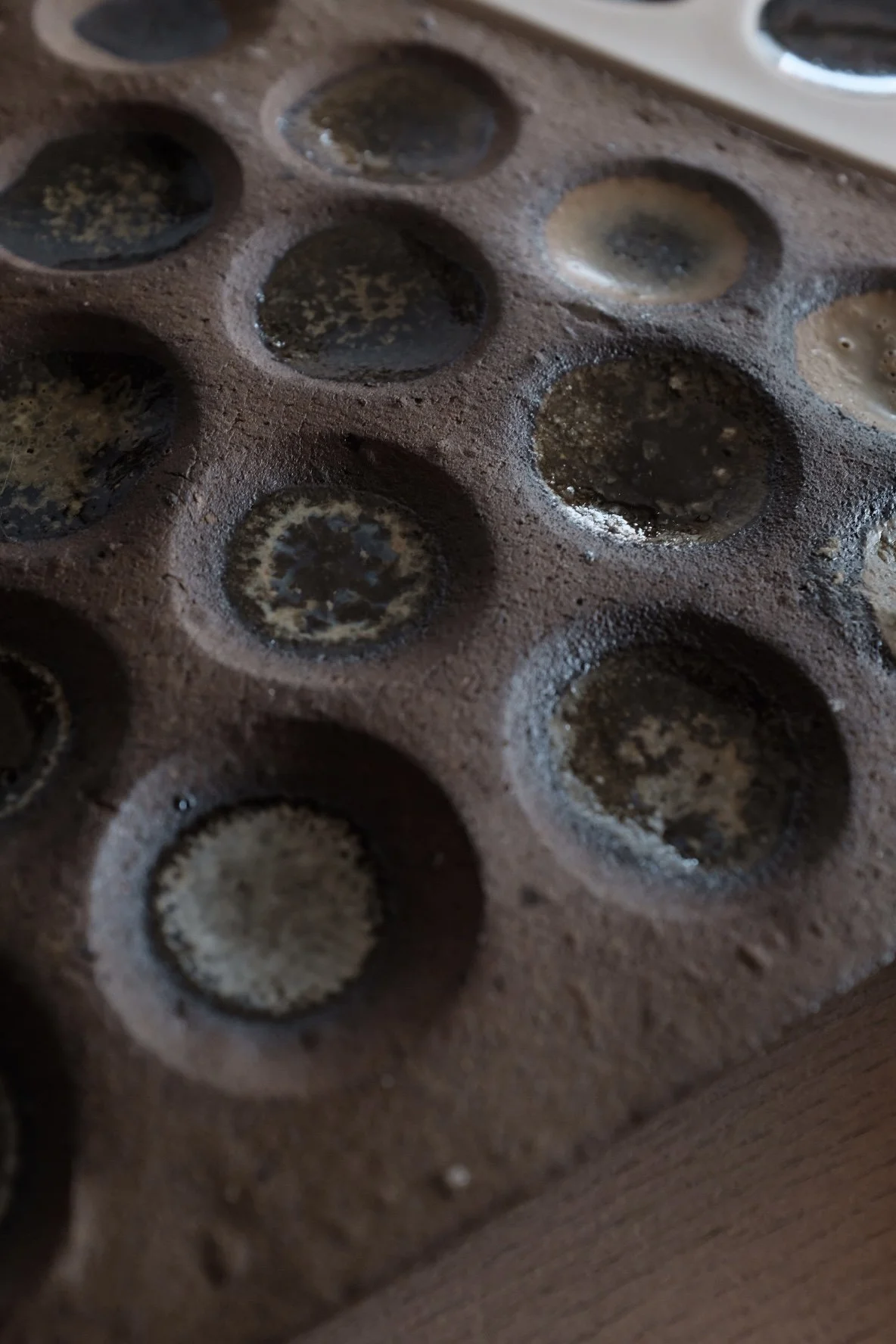 Image 2 of 23
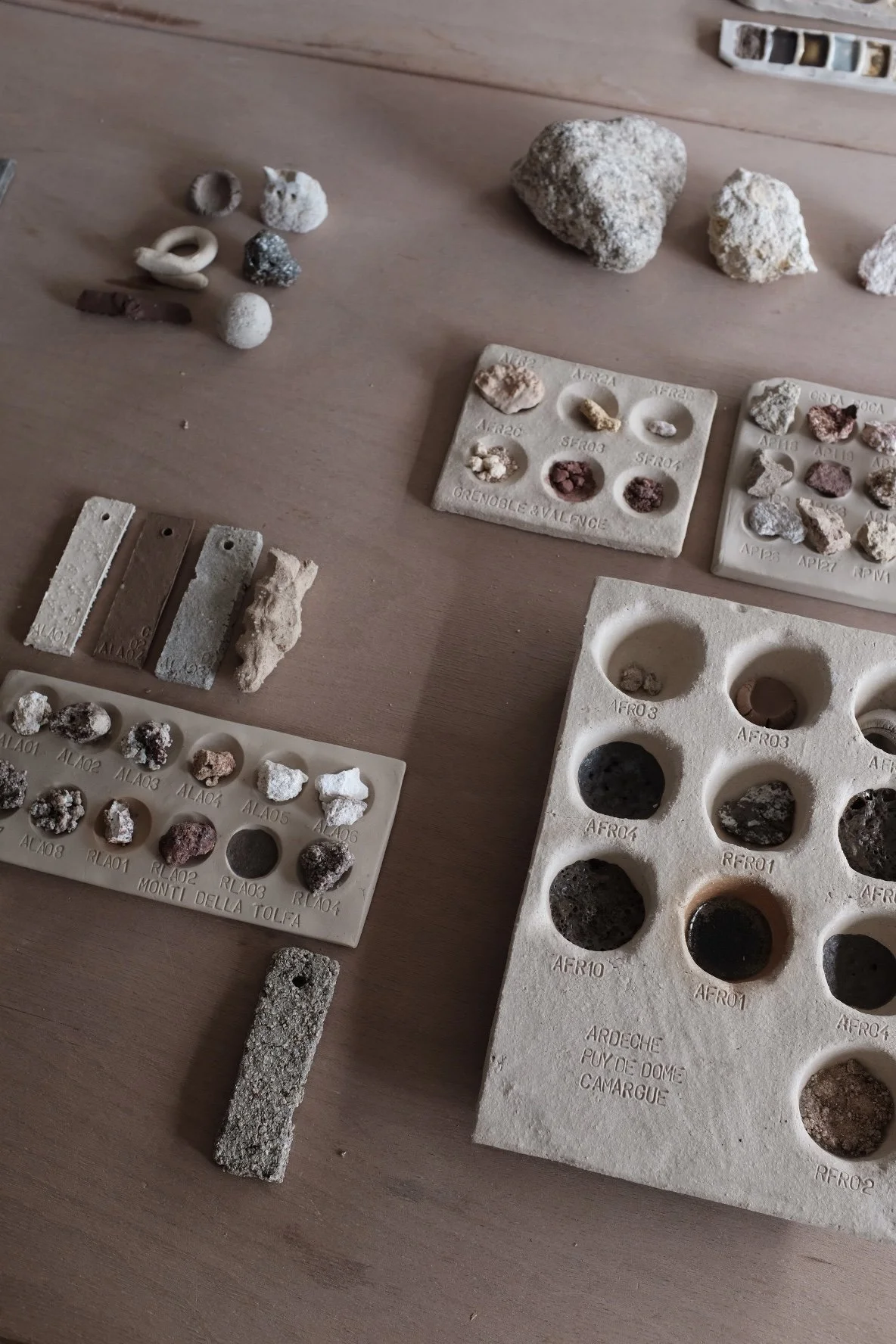 Image 3 of 23
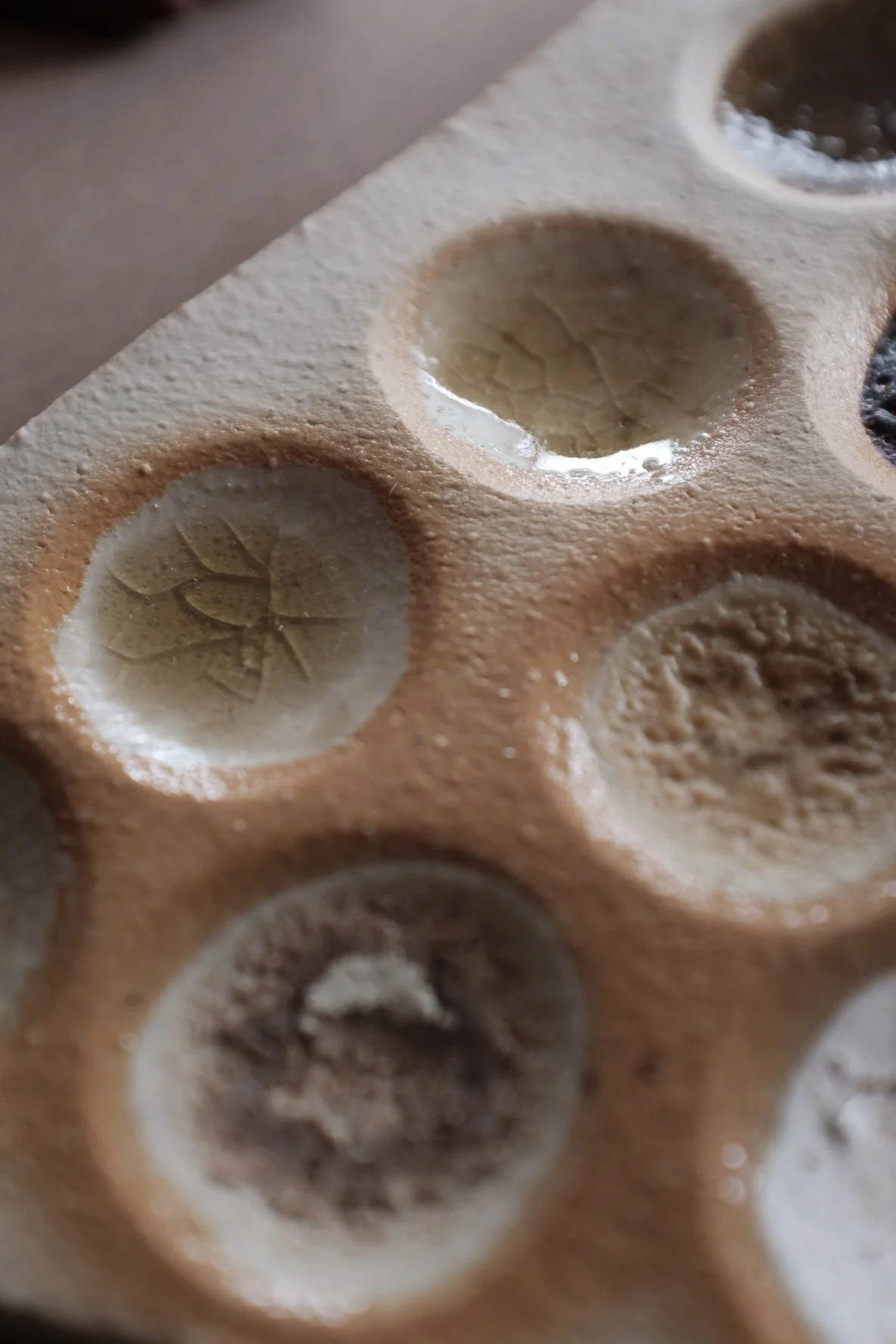 Image 4 of 23
 Image 5 of 23
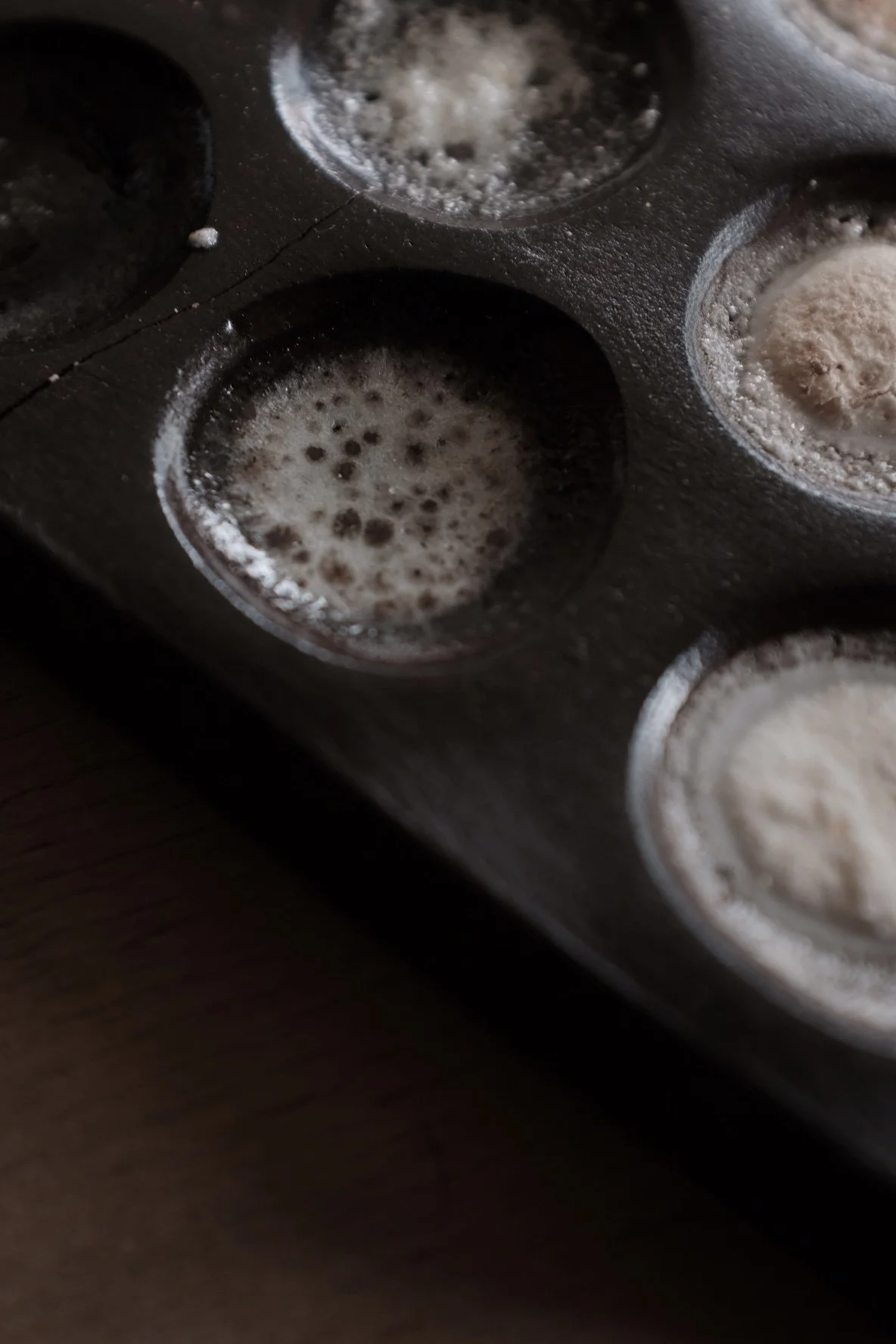 Image 6 of 23
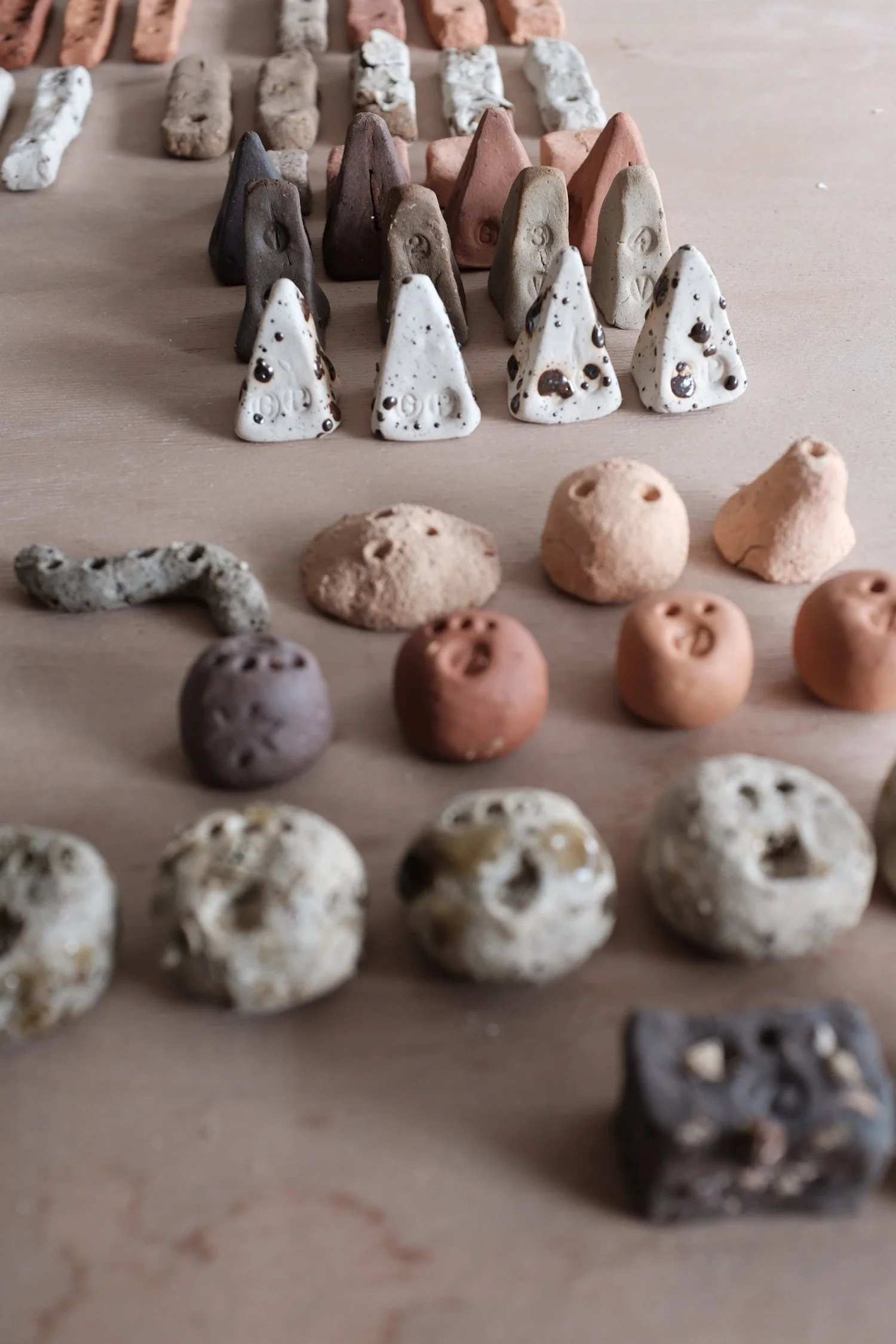 Image 7 of 23
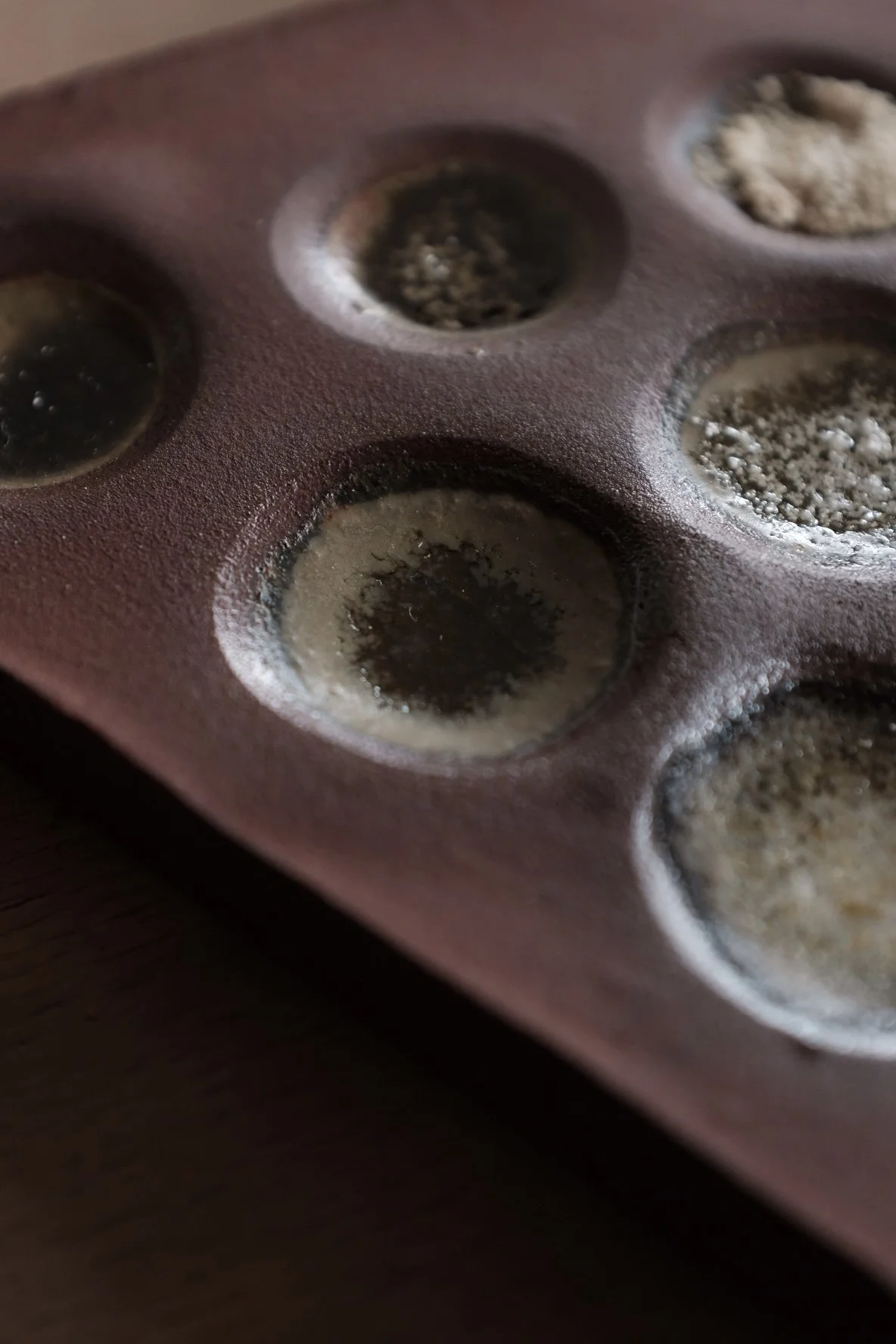 Image 8 of 23
 Image 9 of 23
 Image 10 of 23
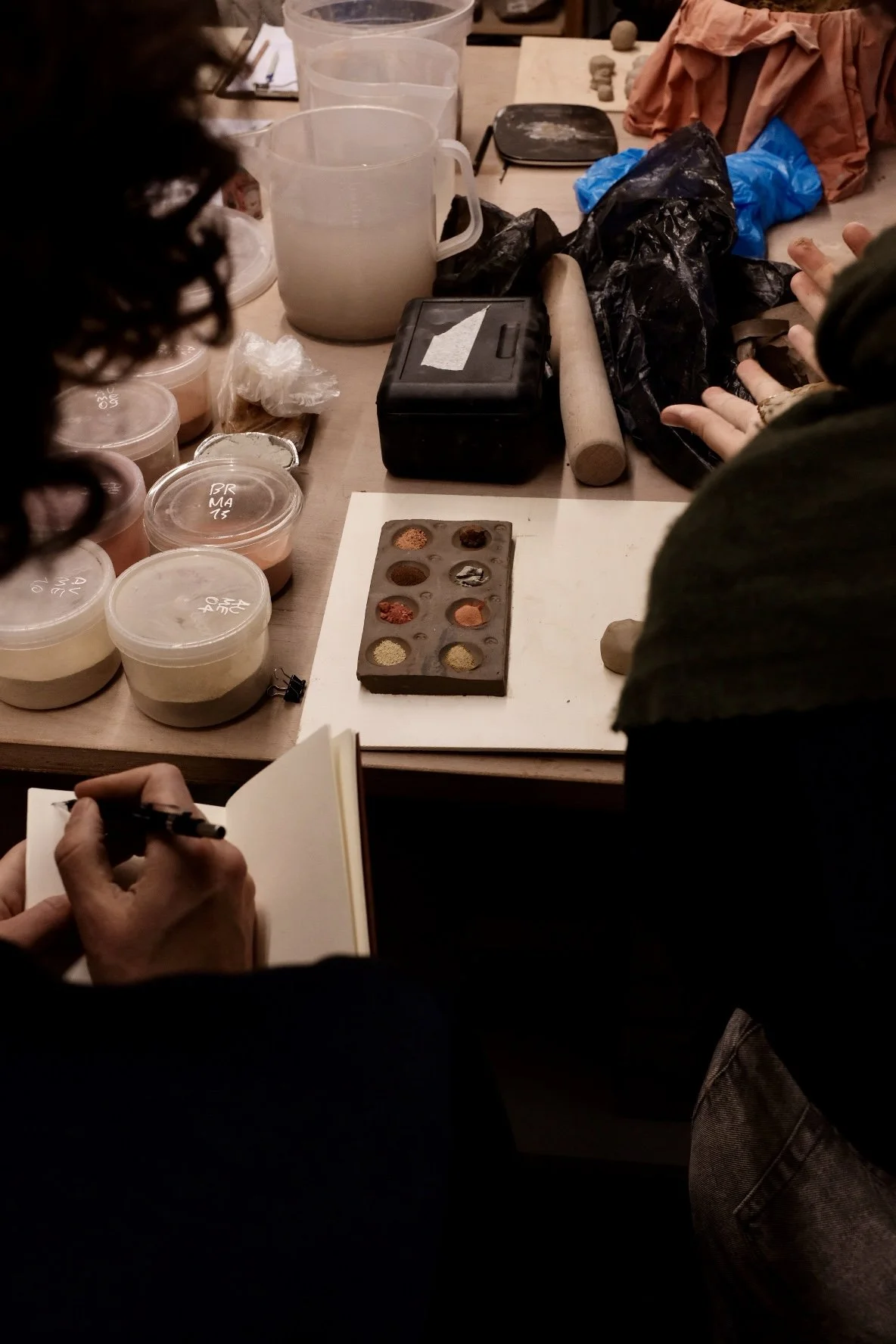 Image 11 of 23
 Image 12 of 23
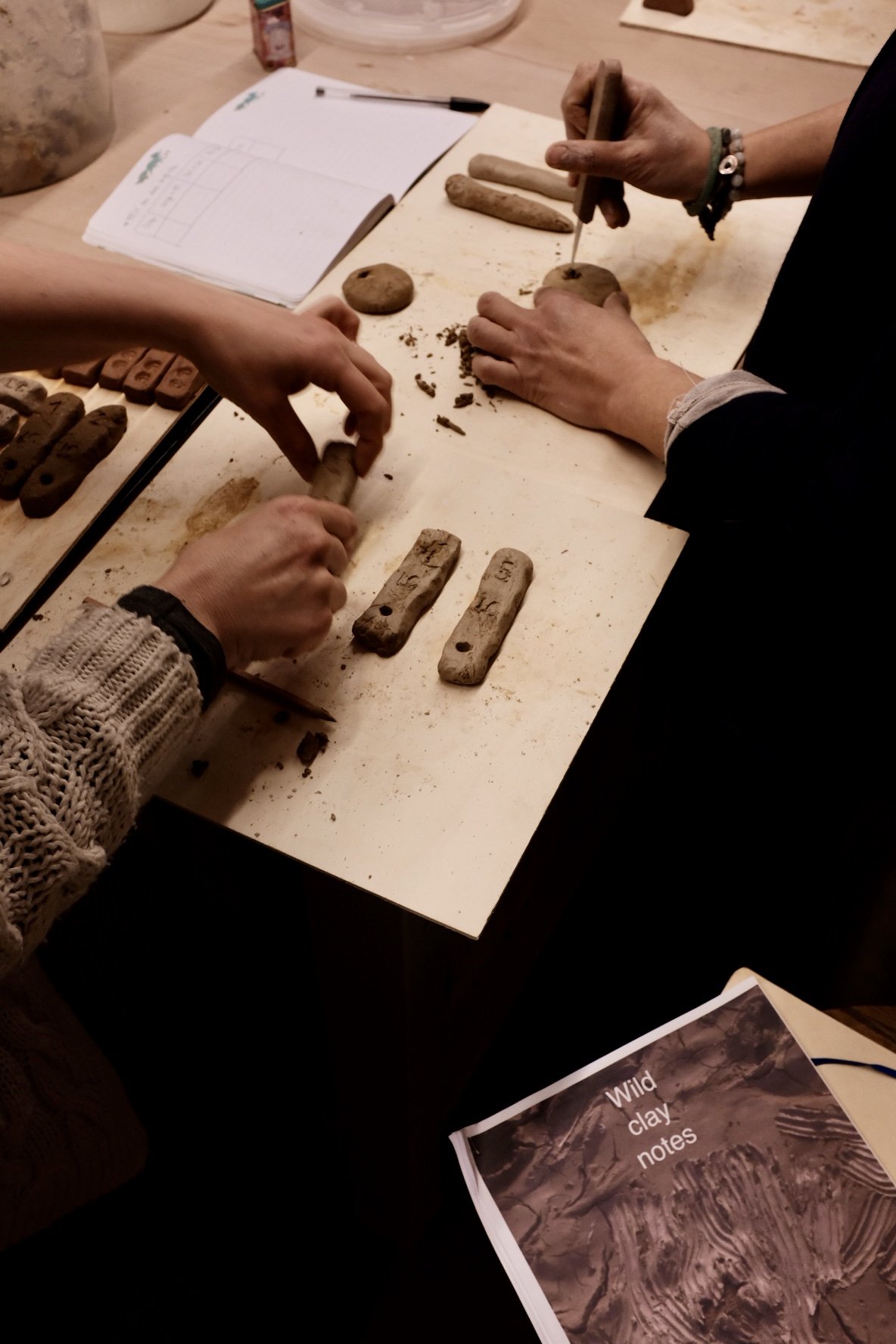 Image 13 of 23
 Image 14 of 23
 Image 15 of 23
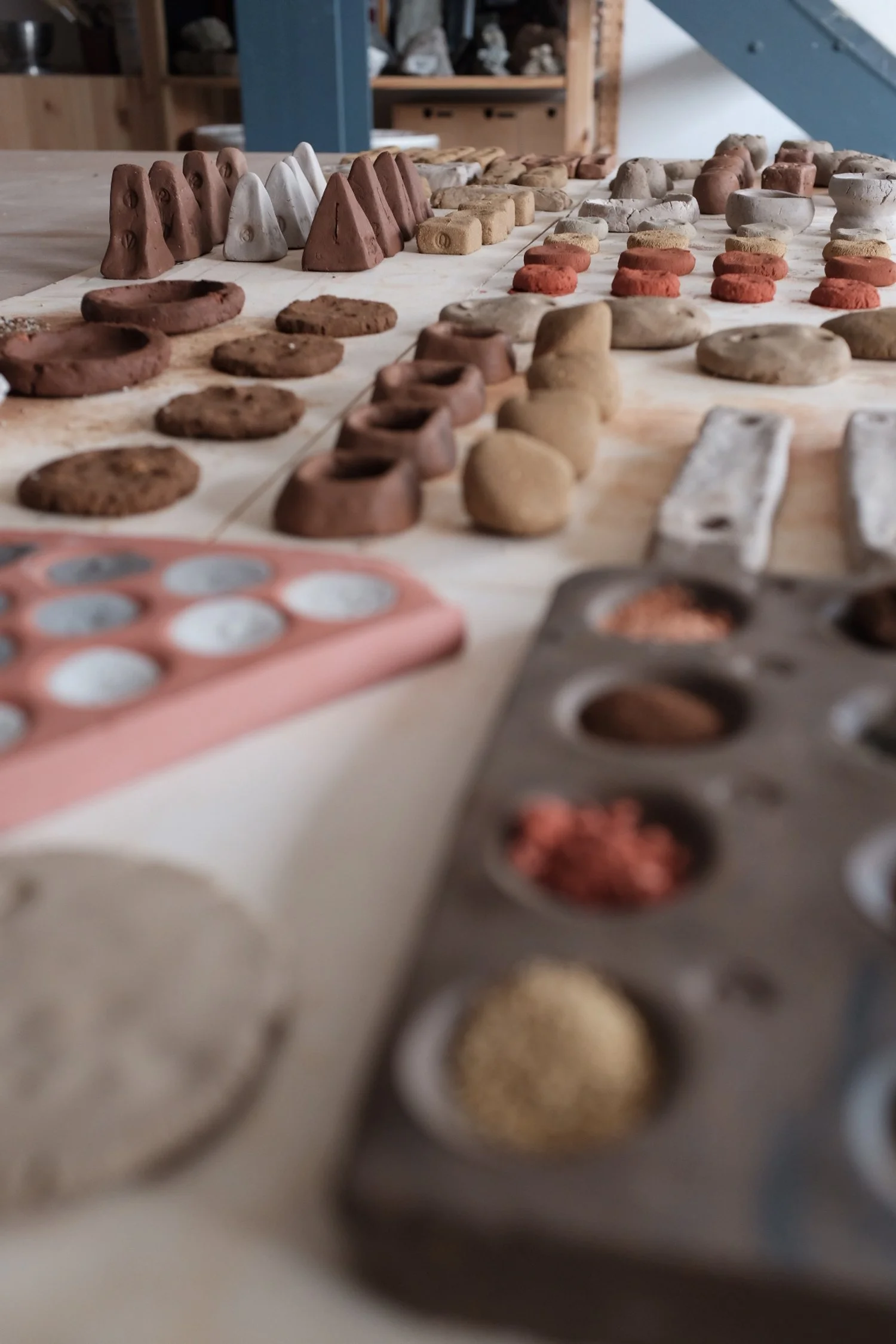 Image 16 of 23
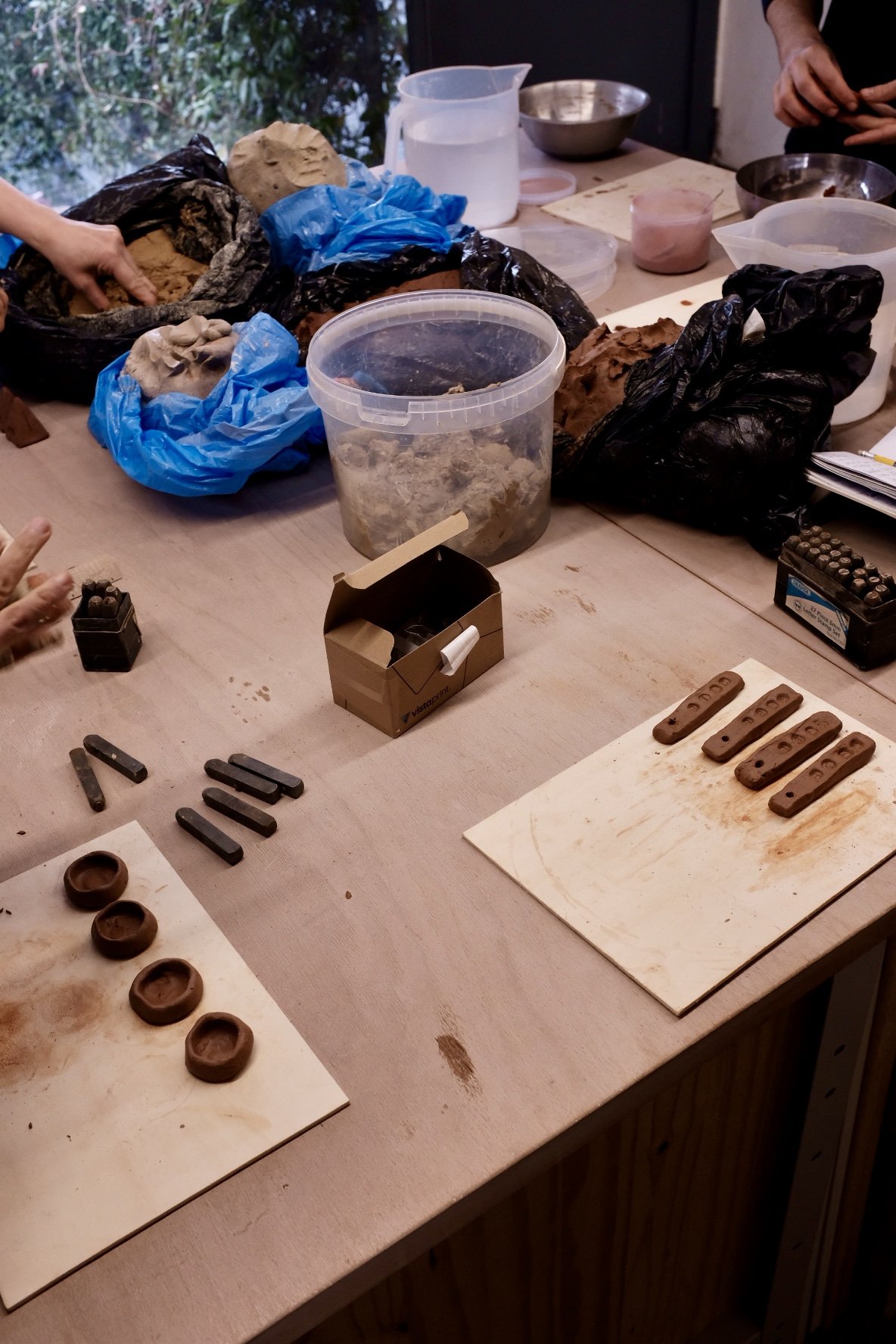 Image 17 of 23
 Image 18 of 23
 Image 19 of 23
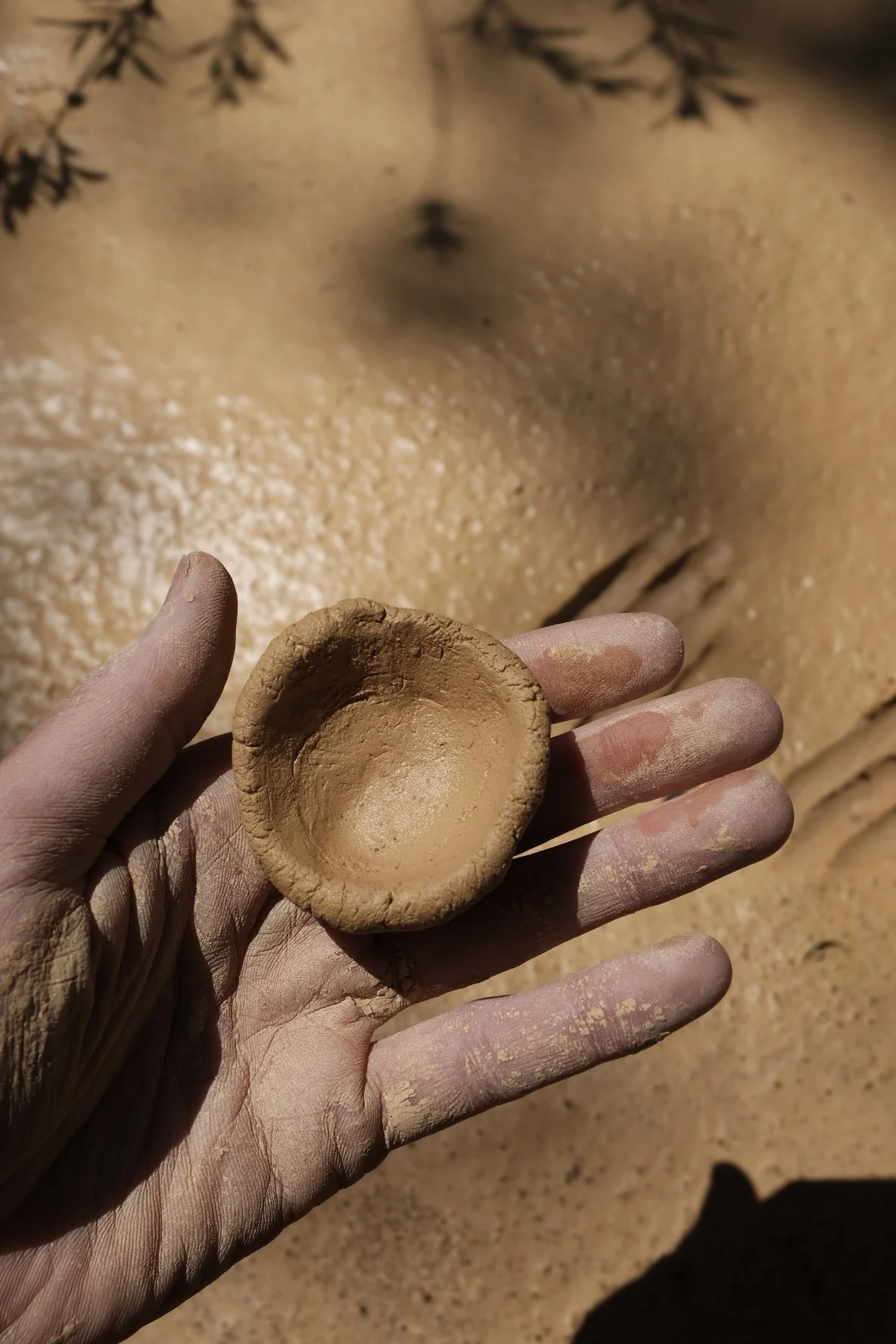 Image 20 of 23
 Image 21 of 23
 Image 22 of 23
 Image 23 of 23